 HaoChi 好吃
Vinegar in Chinese Cooking: Not Just Sour
2026-08-21
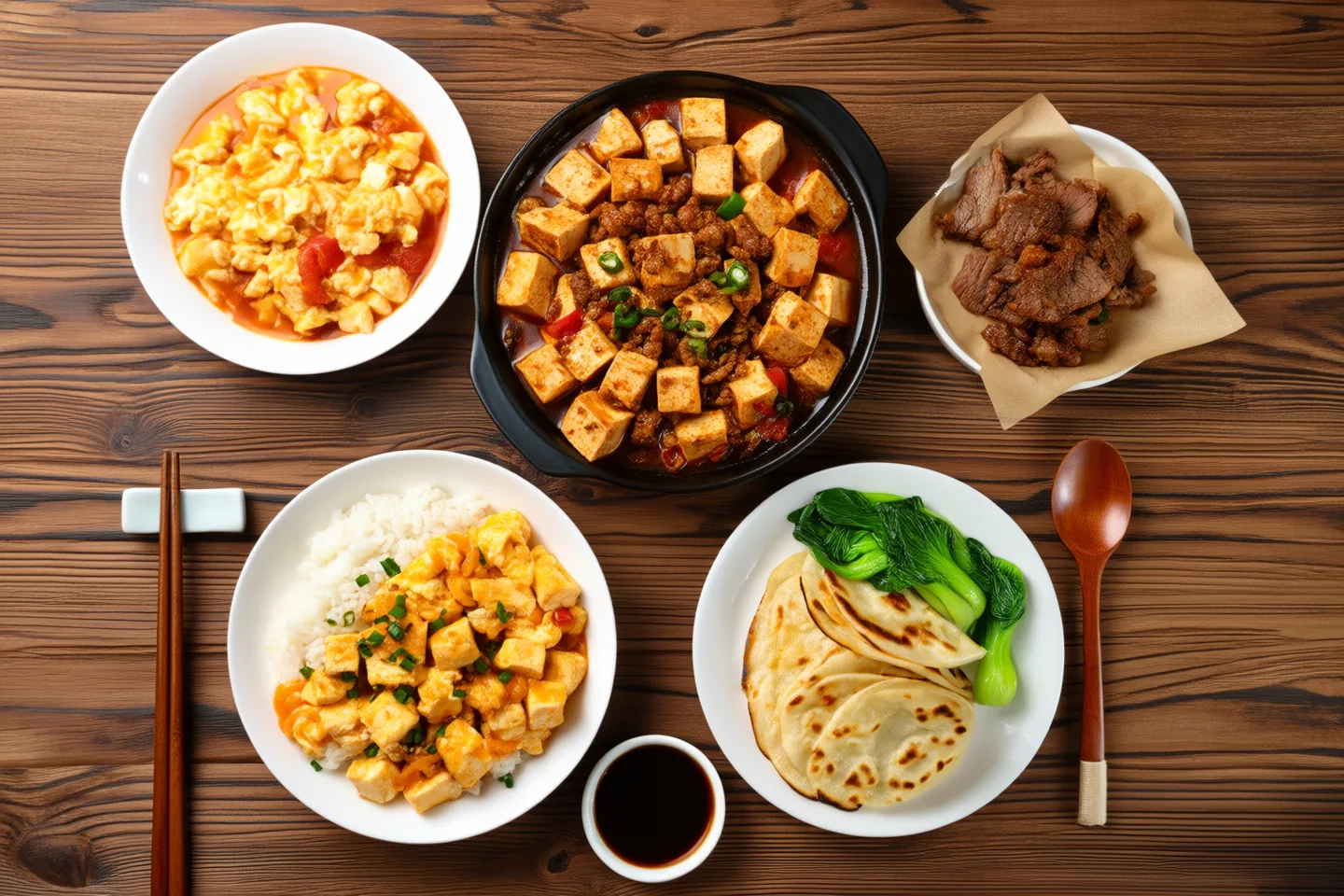
Vinegar is not just sour. In Chinese kitchens, it is a multi-functional tool for seasoning, removing fishiness, enhancing umami, and preserving color.
Main Types of Chinese Vinegar
- Chen Vinegar (陈醋) — mellow sourness, dark color · red braising, dipping sauces
- Rice Vinegar (米醋) — clean sourness, light color · cold dishes, pickling
- Black Vinegar/Xiangcu (香醋) — slightly sweet, rich aroma · dumpling dipping sauce
- White Vinegar (白醋) — pure sour, colorless · cleaning, marinating
Four Key Uses of Vinegar
1. Remove Fishiness and Enhance Umami: When cooking fish or meat, a little vinegar neutralizes fishy odors while boosting umami.
2. Preserve Vegetable Color: Add a few drops of vinegar when blanching to keep green vegetables vibrant.
3. Soften Ingredients: Add vinegar when boiling beans or stewing meat to accelerate softening.
4. Balance Flavors: Sweet and sour, spicy and sour — vinegar is key to balancing flavors.
Practical Tips
- Add vinegar at the end of stir-frying for more pronounced sourness
- Add vinegar early when stewing for milder sourness
- Use black vinegar for cold dishes for better taste
Common Mistakes
- Adding vinegar too early — sourness evaporates
- Using too much — masks other flavors
- Using the wrong type for the dish
The four Chinese vinegars compared
These four vinegars differ in acidity, aroma and brewing method, so they are not interchangeable. Use this table to pick the right one at a glance.
| Vinegar | Flavor | Color | Best uses |
|---|---|---|---|
| 陈醋 Aged vinegar (chencu) | Deep, mellow sourness with aged complexity and a lingering finish | Dark brown | Red braising, long stews, noodle dipping sauces |
| 香醋 Zhenjiang black vinegar (xiangcu) | Aromatic, well-rounded acidity with a gentle natural sweetness | Deep brown-black | Dumpling dipping sauce, cold dressings, finishing hot and sour soup |
| 米醋 Rice vinegar | Clean, mild sourness that stays in the background | Pale yellow to light amber | Cold dishes, quick pickles, light-colored sweet and sour sauces |
| 白醋 White vinegar | Sharp, one-dimensional acidity with no aroma | Colorless | Marinating, blanching water, dishes where a dark vinegar would stain the ingredients |
Two dark vinegars dominate Chinese kitchens: Zhenjiang xiangcu from Jiangsu and Shanxi laochencu, a long-aged vinegar from the north. Both look nearly black in the bottle, but they are brewed from different grains and taste quite different — one is fragrant and faintly sweet, the other intensely savory and sharp. For a full side-by-side breakdown, see the Zhenjiang vs Shanxi vinegar comparison. To taste black vinegar at work, try vinegar cabbage — one splash at the end of the stir-fry is the whole seasoning.
Frequently Asked Questions
Which vinegar is best for dumpling dipping sauce?
Zhenjiang black vinegar (xiangcu) is the classic choice. Its mild sweetness and aroma complement pork, beef and vegetable fillings without overpowering them. Add a few shreds of fresh ginger or a drop of sesame oil for the traditional pairing. If you cannot find it, use rice vinegar with a splash of soy sauce and a small pinch of sugar.
Can I use white vinegar instead of black vinegar?
It is not recommended as a direct swap. White vinegar is sharper and lacks the sweetness and toasty grain aroma of black vinegar, so the dish will taste flat and harsh. If black vinegar is unavailable, a closer substitute is rice vinegar with a small pinch of sugar; a little balsamic vinegar also works in a pinch because it shares a similar dark sweetness.
Does vinegar expire?
Vinegar rarely spoils because its high acidity prevents bacterial growth, so an unopened bottle keeps for years in a cool, dark cupboard. For the best flavor, use it within about two years of opening and keep it tightly sealed away from light and heat. Slight cloudiness or sediment in traditionally brewed vinegars is normal and harmless; discard the bottle only if it develops an off smell or mold.
Which vinegar should I use for sweet and sour dishes?
Match the vinegar to the color of the dish. Use rice vinegar for light-colored dishes such as sweet and sour pork tenderloin, where it keeps the sauce bright and clean. Use Zhenjiang black vinegar or aged vinegar for darker, richer dishes like sweet and sour ribs, where it adds depth and a glossy dark color. Avoid white vinegar here, because its harsh acidity throws the sweet-sour balance off.