Blog
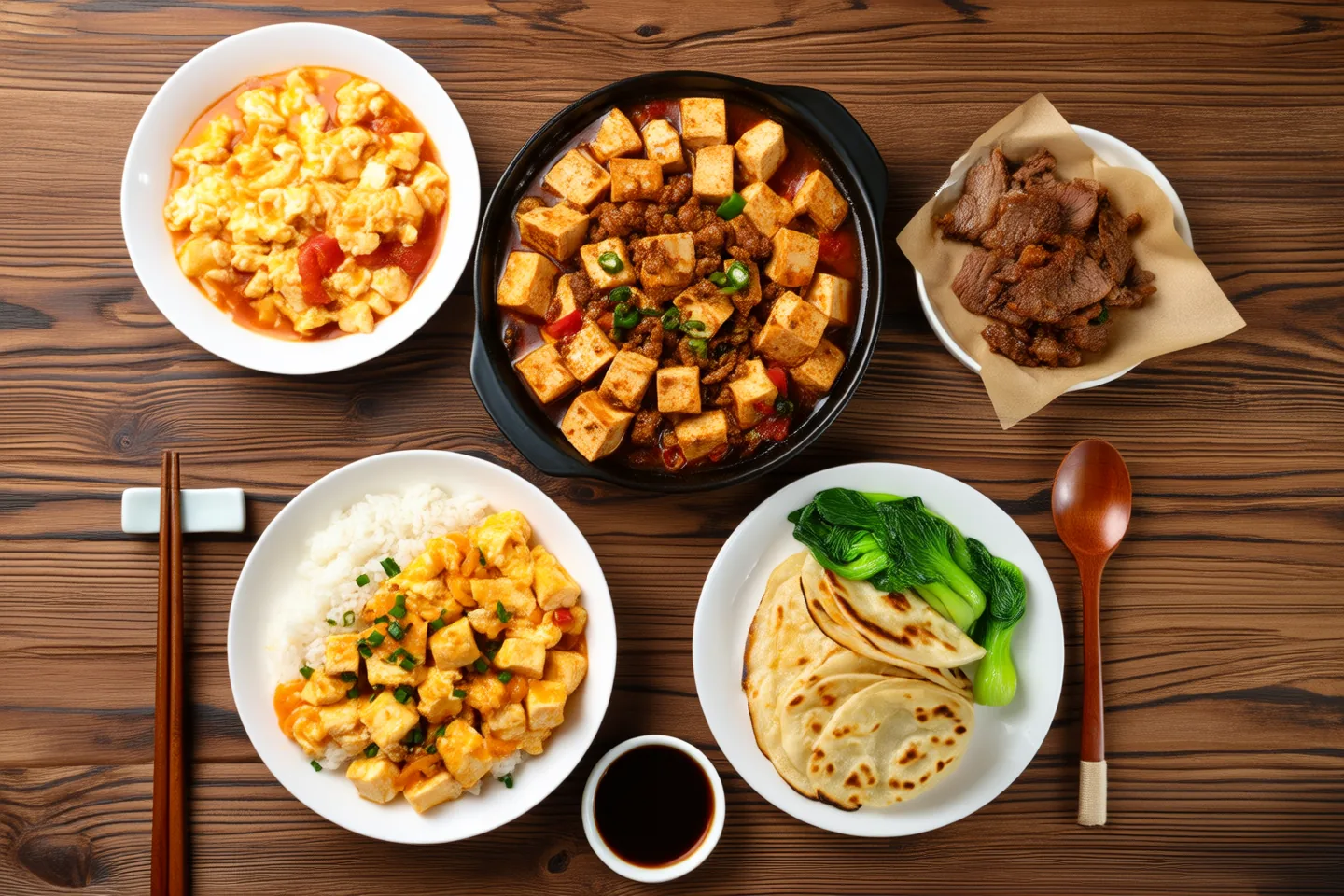
Sichuan food isn't all tongue-numbing heat. These 10 family recipes — from mapo tofu to kung pao — are the ones Chinese home cooks actually make on a weeknight.
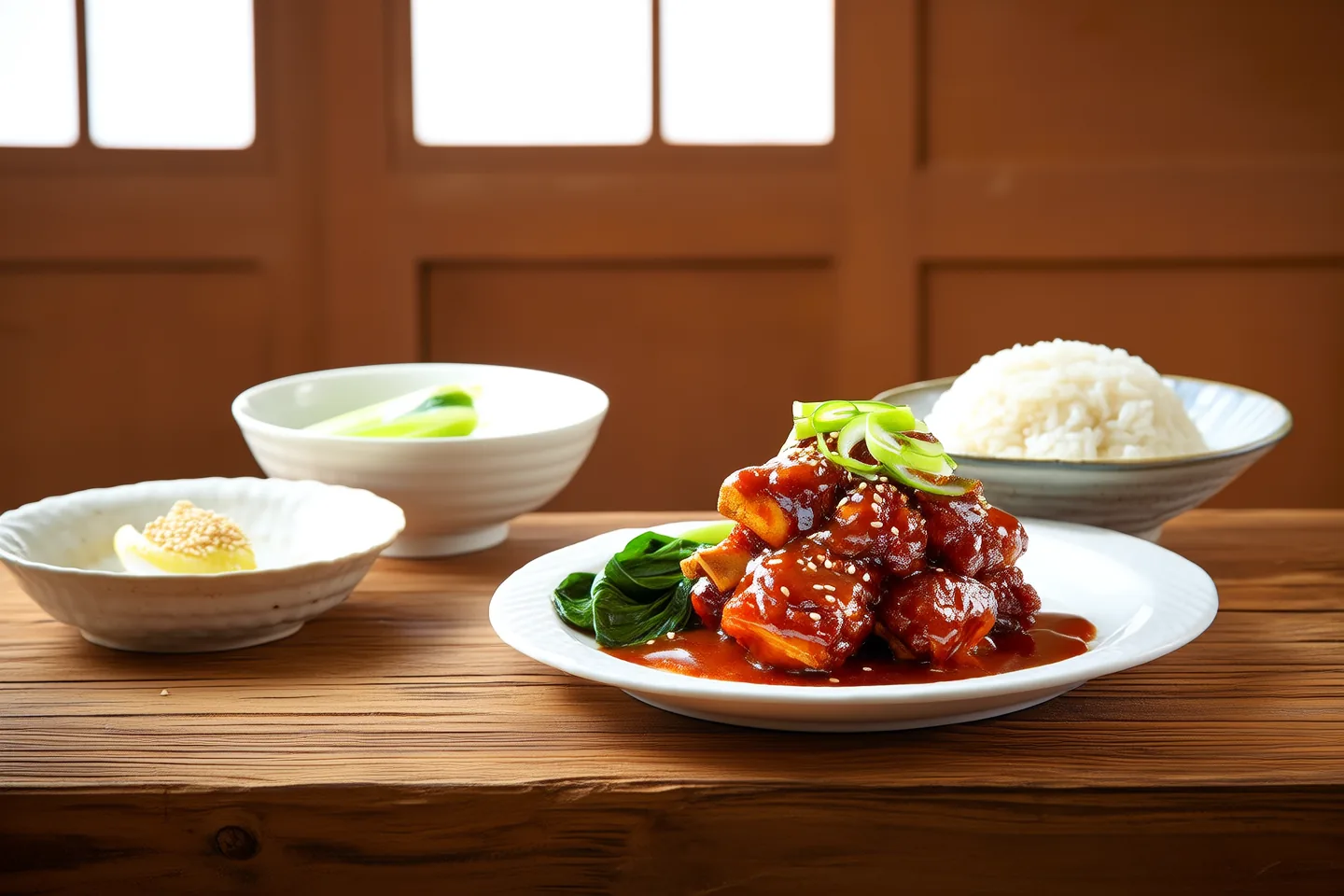
Chinese black vinegar isn't one thing. Zhenjiang is malty and rounded, Shanxi is sharper and smokier — and picking the right one changes the dish.
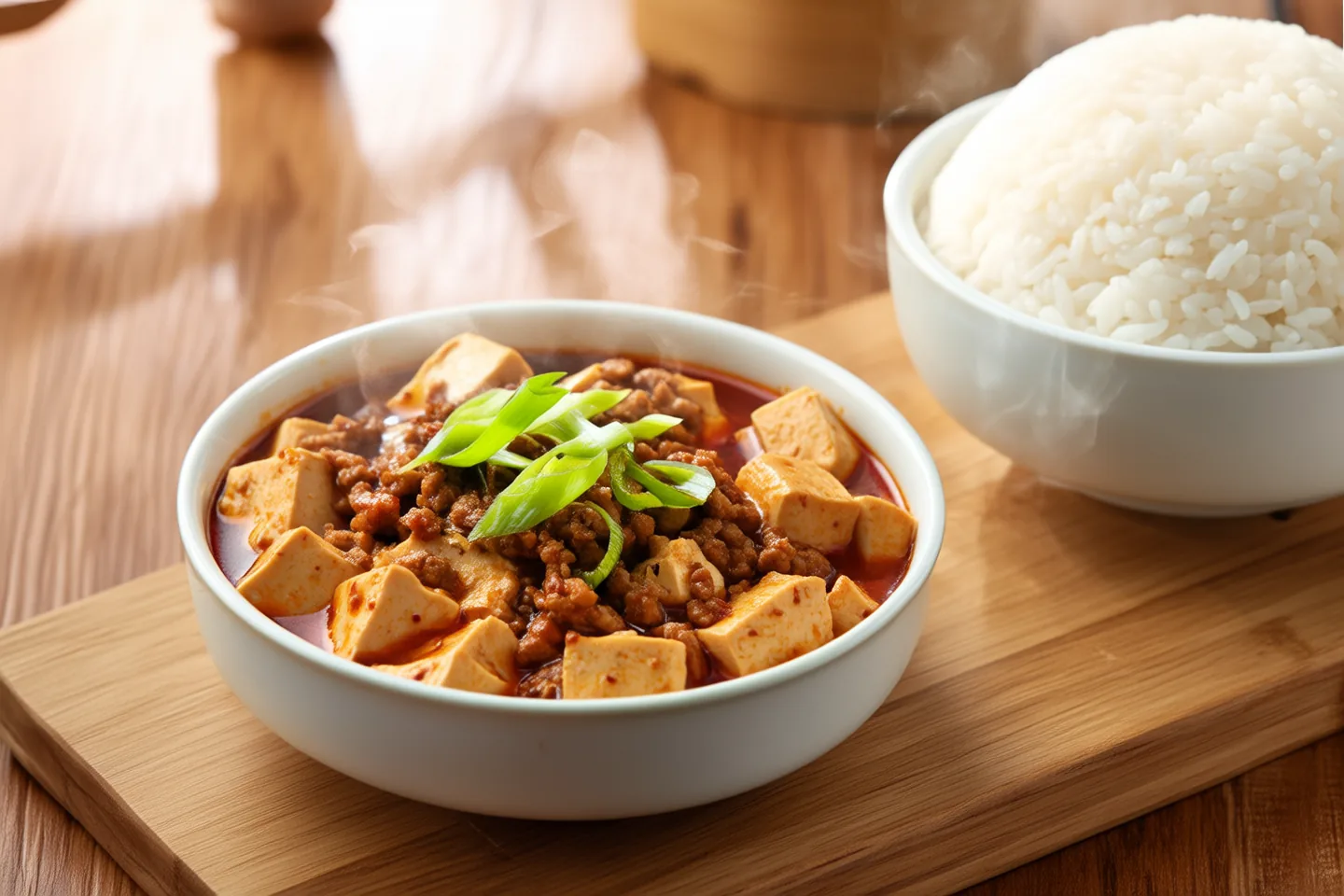
No doubanjiang? No problem. Here's what to use instead for mapo tofu, kung pao, and other Sichuan classics — plus the one ingredient you can't fake.
Chinese noodles vary wildly in shape, texture, and cooking method. This guide helps you pick the right noodle for your dish — from hand-pulled lamian to delicate wonton noodles.
Not all rice is created equal in Chinese cooking. Short-grain for porridge, long-grain for stir-fry, glutinous for dim sum — using the wrong rice type changes the entire dish.
Liang ban (凉拌) sauces are the soul of Chinese cold dishes. Master the sour-salty-sweet-spicy balance and you can dress any vegetable, noodle, or protein with confidence.
Doubanjiang is the fermented chili bean paste that does the heavy lifting in Sichuan cooking. Here's what it is, the two kinds you'll meet, how to pick a good jar, and how to actually cook with it.
Dried chilies add depth and aroma to Chinese cooking, not just heat. The trick is tempering them correctly in oil. Get it wrong and your dish turns bitter; get it right and you unlock complex spiciness.
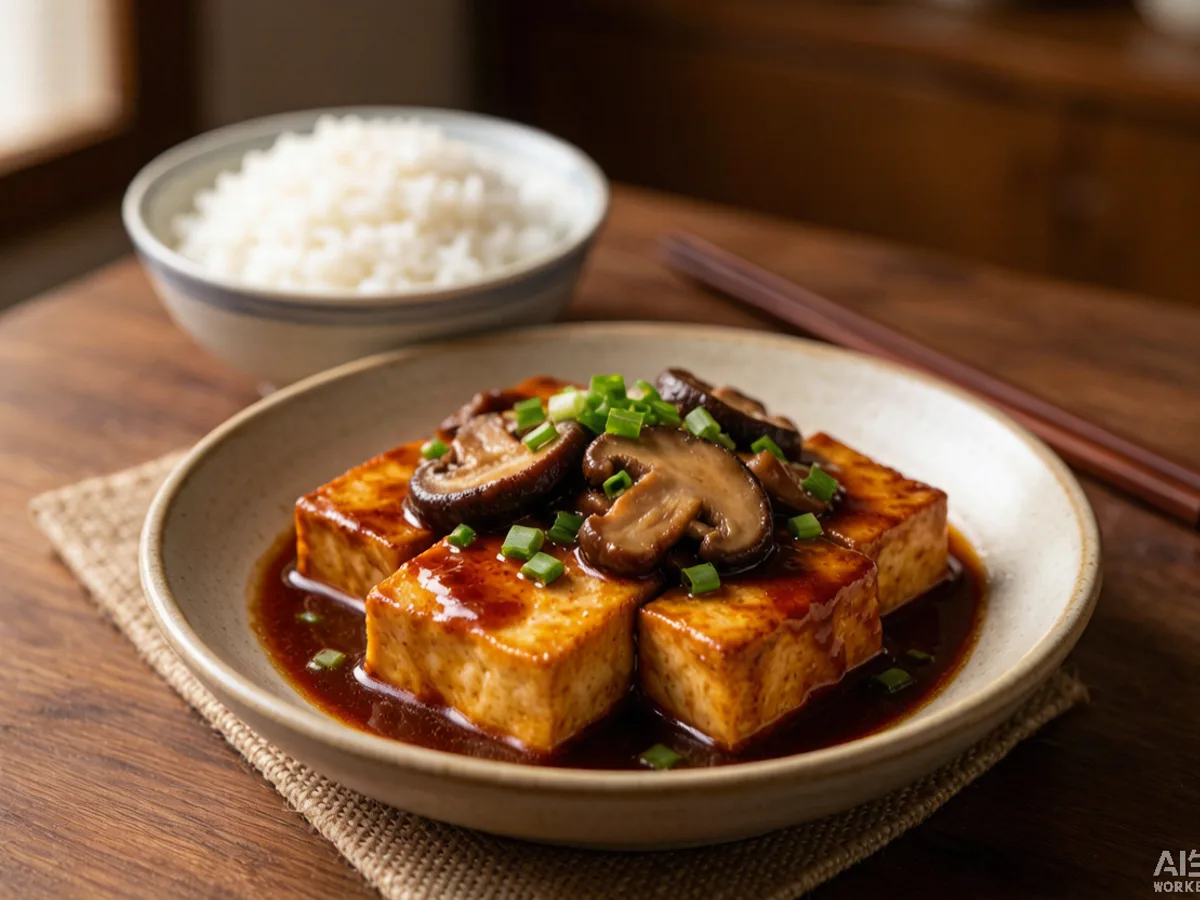
Furu is salty, funky, and used in tiny amounts — one cube does the work of several seasonings. Here's how to buy it, use it, and stop being afraid of it.
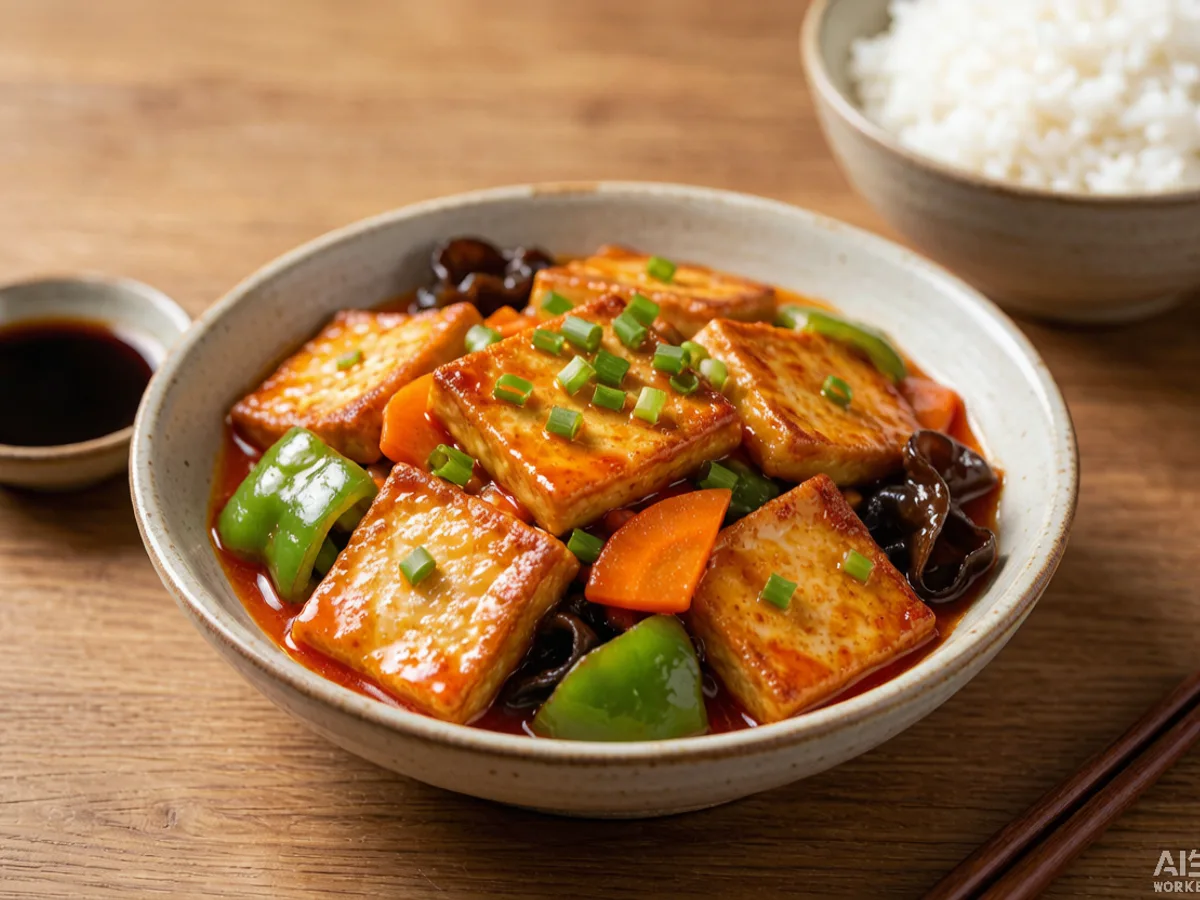
Grab the wrong tofu and even a good recipe falls apart — literally. Here's the difference, what each is for, and how to keep soft tofu from breaking up in the pan.
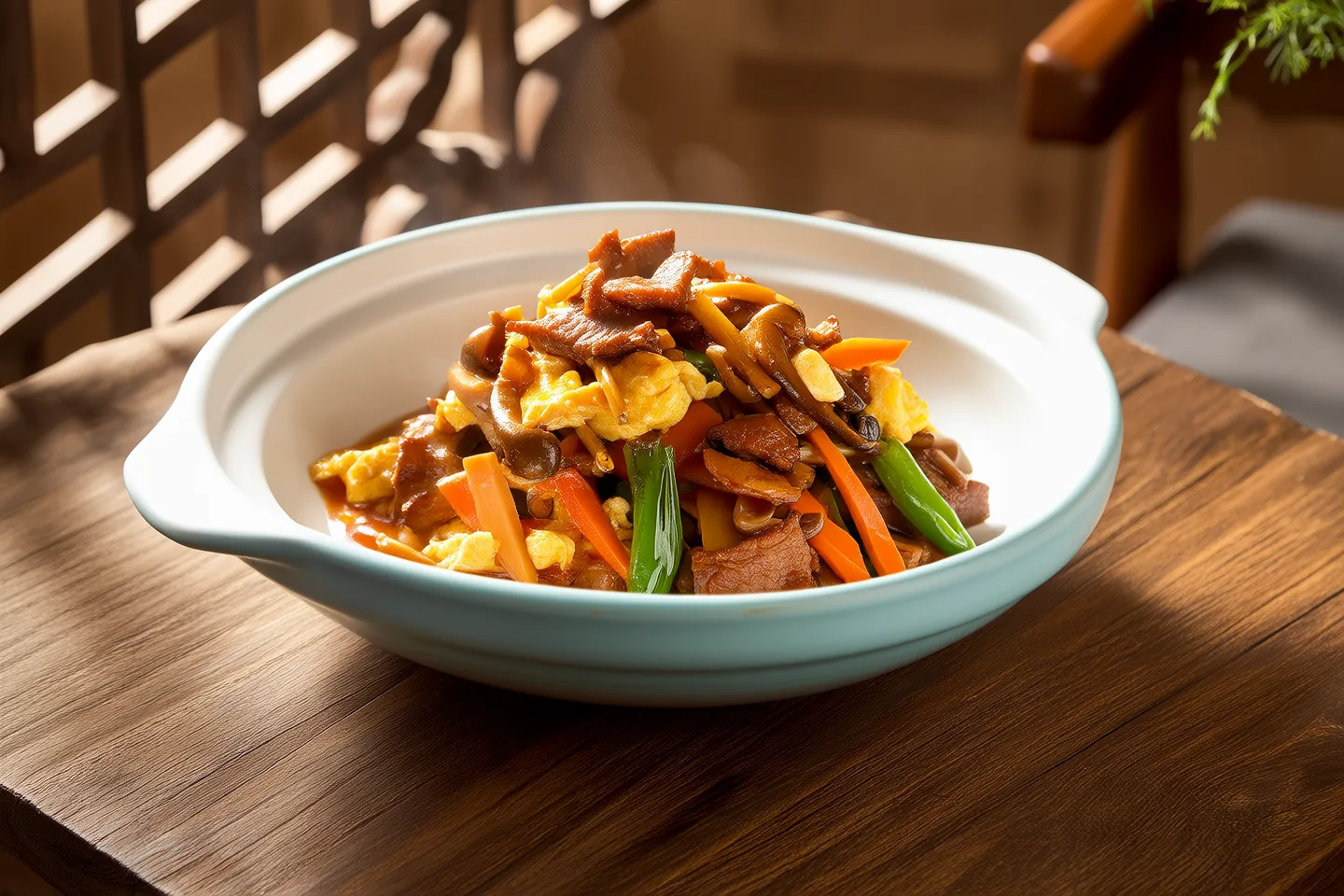
Both are dark, thick, and sweetish, so they get swapped constantly. Here's what each one is actually for — and what happens when you mix them up.
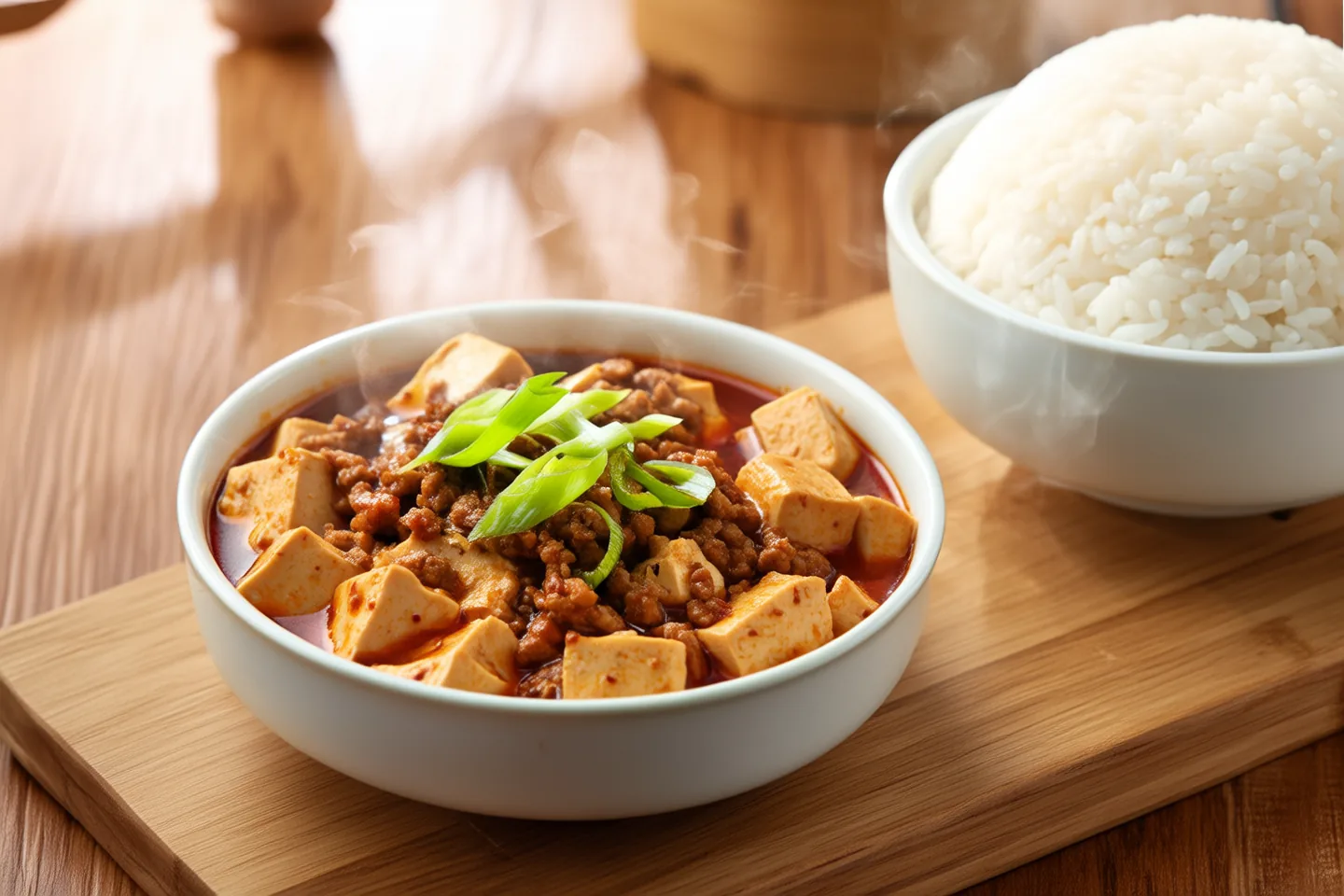
Chili oil is the fastest way to make Chinese food taste like it came from a restaurant. Here's a simple method, the mistakes that make it bitter, and how long it keeps.
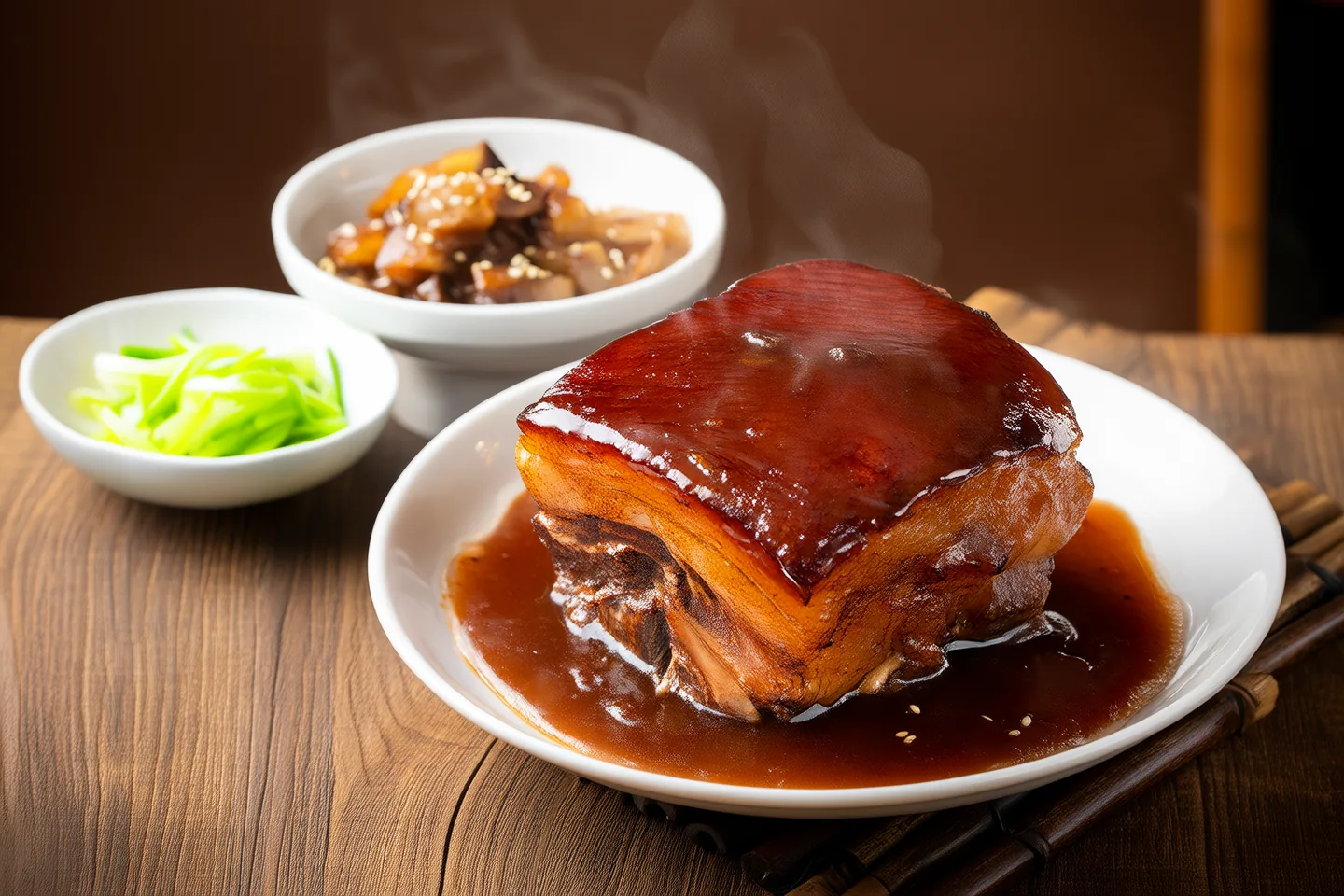
A step-by-step guide to making authentic Chinese braised pork belly with caramelized sugar color.
They look almost identical in the bottle, but light and dark soy do completely different jobs. Here's when to reach for each — and what to use if you only have one.
Sugar color (糖色) is the secret to glossy, amber-red braises. Get the timing right and your dishes shine; get it wrong and they turn bitter. Here‘s how to nail it every time.

Chinese home cooks don't just dump soy sauce and call it a day. The order you add ingredients, the time you give them, and the chemistry behind each choice is what separates bland meat from restaurant-quality stir-fry.
What to cook for Mid-Autumn: steamed hairy crab, lotus-root pork-rib soup, steamed taro, a bubbling reunion hot pot and a chilled pomelo sago — the dishes Chinese families put on the table for the harvest moon.
Mise en place is the habit that makes Chinese home cooking fast: prep everything before the wok gets hot. Here's how to batch-prep a week of dinners the Chinese way.
A make-ahead National Day menu: red-cooked pork, sweet-and-sour ribs, a whole steamed fish and crowd-pleasing finger food — feed the whole family without chaining you to the stove all week.
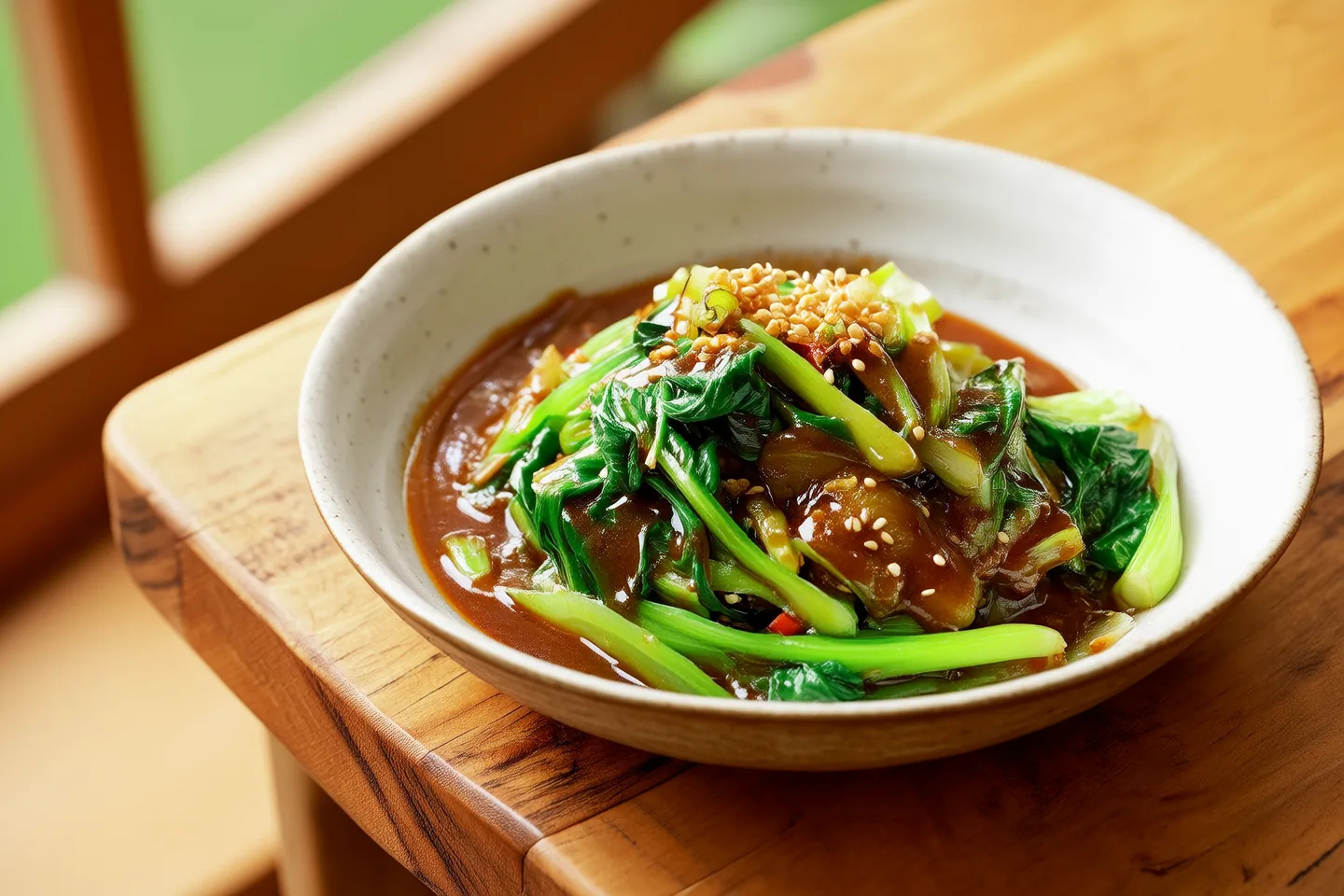
It doesn't taste fishy and it isn't only for stir-fries. Here's what oyster sauce actually does, when to add it, and the best substitute if your bottle is empty.
Sesame oil (香油, xiāng yóu) is a flavor bomb — but only if you add it at the end. Cooking it destroys its delicate aroma. Here‘s how to use this essential Chinese ingredient correctly.
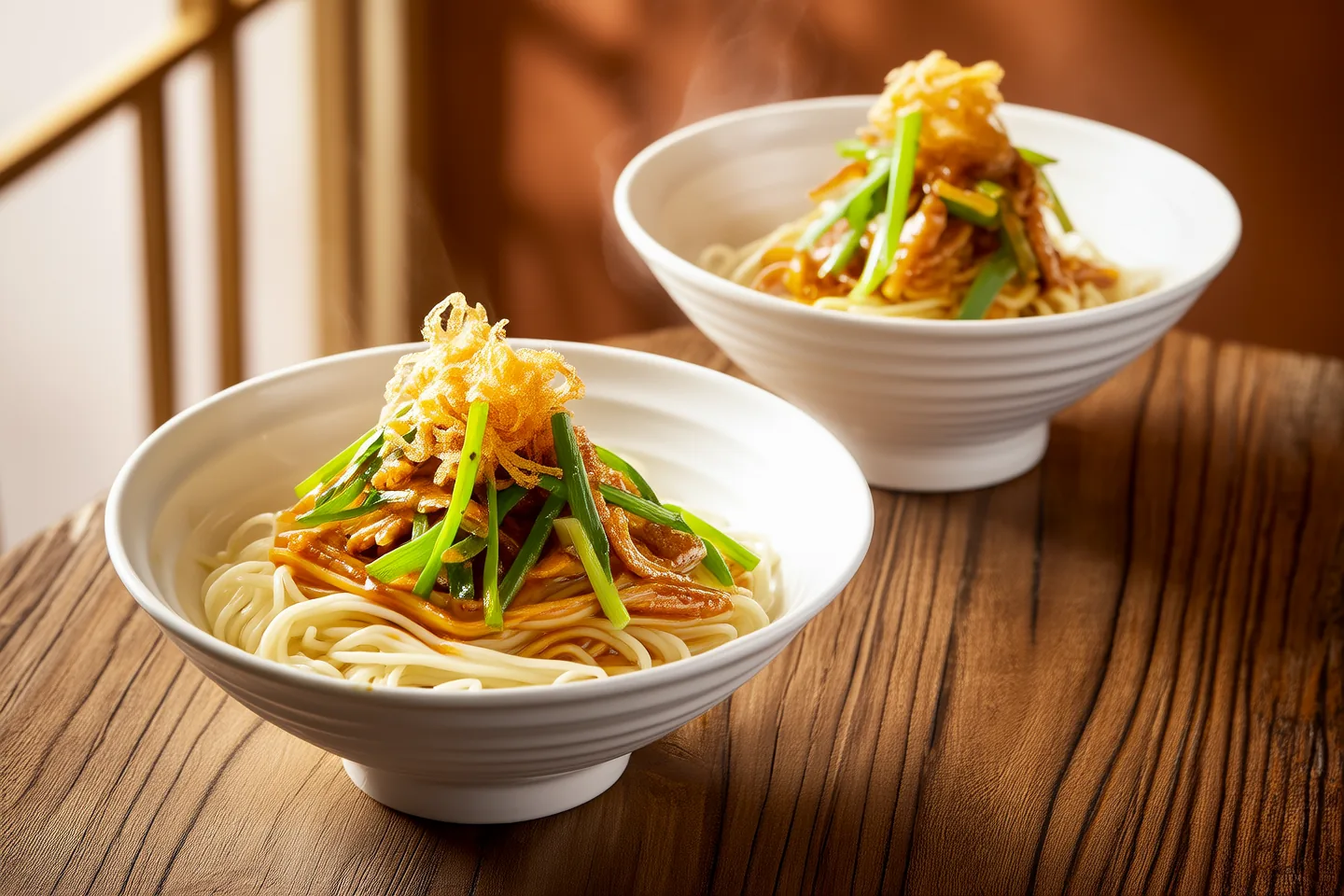
Sesame paste turns into a stubborn lump the moment you add water — until you know the trick. Here's how to thin it properly, and how it differs from tahini.
Most Shaoxing wine on Western shelves is salted and undrinkable, but it still works. Here's how to read the label, what to buy, and what to use if you'd rather skip alcohol.
Tofu comes in many textures — from silken to extra firm — and each behaves differently in cooking. Knowing which type to use prevents mushy stir-fries and crumbly soups.
Vinegar is not just sour. In Chinese kitchens, it is a multi-functional tool for seasoning, removing fishiness, enhancing umami, and preserving color. Here is how to use it properly.
You don't need an Asian grocery for most home cooking. Here's the short list of what to buy at a regular supermarket — and the three things worth a special trip.
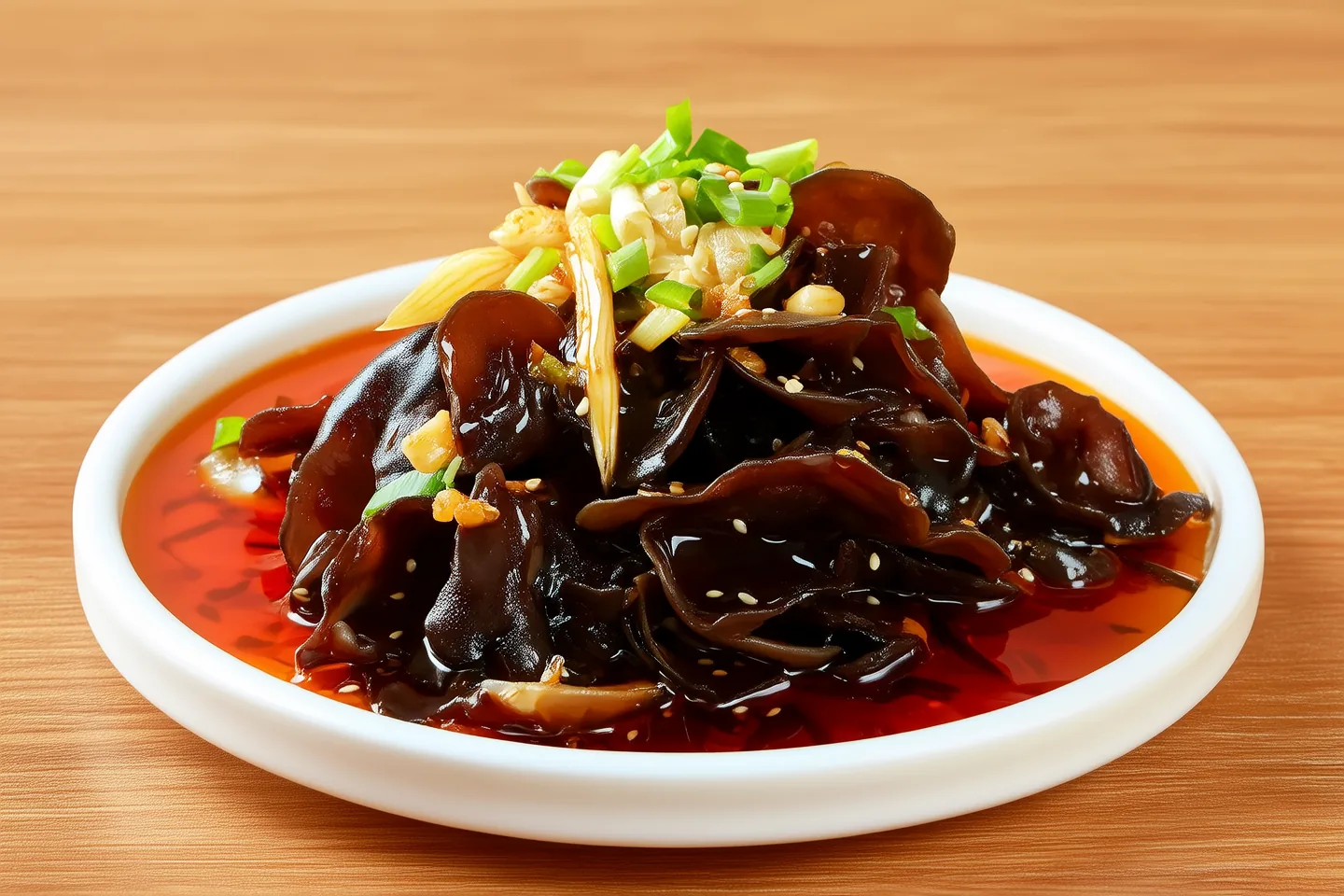
Wood ear has almost no flavor and a great texture, which is exactly the point. Here's how long to soak it, the safety rule that matters, and where it's worth using.